

Vitamin C serums sold at drugstore prices range from 10% derivative formulas to 23% pure L-ascorbic acid suspensions, and the strength you pick decides whether you get gradual glow or fast, sometimes irritating, brightening.
Best overall: The Ordinary Vitamin C Suspension 23% + HA Spheres 2%. Best for first-time vitamin C users: L'Oréal Paris Revitalift Derm Intensives 10% Pure Vitamin C Serum. Best budget option: Good Molecules Vitamin C + Ferulic Serum. Every pick below sits on a standard US drugstore or Ulta shelf, no dermatologist visit required.
- The Ordinary Vitamin C Suspension 23% + HA Spheres 2% is the best drugstore vitamin C serum for brightening when skin tolerates high strength.
- L'Oréal Paris Revitalift Derm Intensives 10% Pure Vitamin C Serum is the gentler entry point for first-time users.
- CeraVe Skin Renewing Vitamin C Serum pairs brightening with ceramides for dry or barrier-compromised skin.
- Good Molecules Vitamin C + Ferulic Serum is the lowest-cost pick that still stabilizes with ferulic acid.
- Vitamin C fades dullness and early discoloration; stubborn dark spots need it layered with a dedicated brightening step.
Why this matters
Hyperpigmentation and dullness stay near the top of skin concerns going into 2026, and vitamin C is the ingredient most people reach for first because it's cheap, sold everywhere, and doesn't require a prescription. The problem is that "vitamin C serum" covers everything from a stable 10% derivative to a raw 23% acid that oxidizes within weeks of opening.
Buying the wrong one wastes money on a bottle that turns brown before it does anything. What to look for in a vitamin C serum matters more than the brand name on the front of the box, and that's the filter used to rank the five serums below.
What makes the best drugstore vitamin C serum for brightening
- Concentration and form — L-ascorbic acid works faster but irritates more; derivatives like sodium ascorbyl phosphate are gentler and slower.
- Formula pH — L-ascorbic acid needs a pH under 3.5 to actually absorb into skin; a high pH means the label promise doesn't happen.
- Stabilizing antioxidants — ferulic acid and vitamin E extend potency and slow oxidation once the bottle is opened.
- Packaging — opaque bottles and airless pumps protect against light and air; clear dropper bottles degrade faster.
- Skin-type fit — dry, oily, and sensitive skin tolerate different concentrations and textures.
- Drugstore accessibility — every serum on this list is sold at a mass retailer, not a specialty counter.
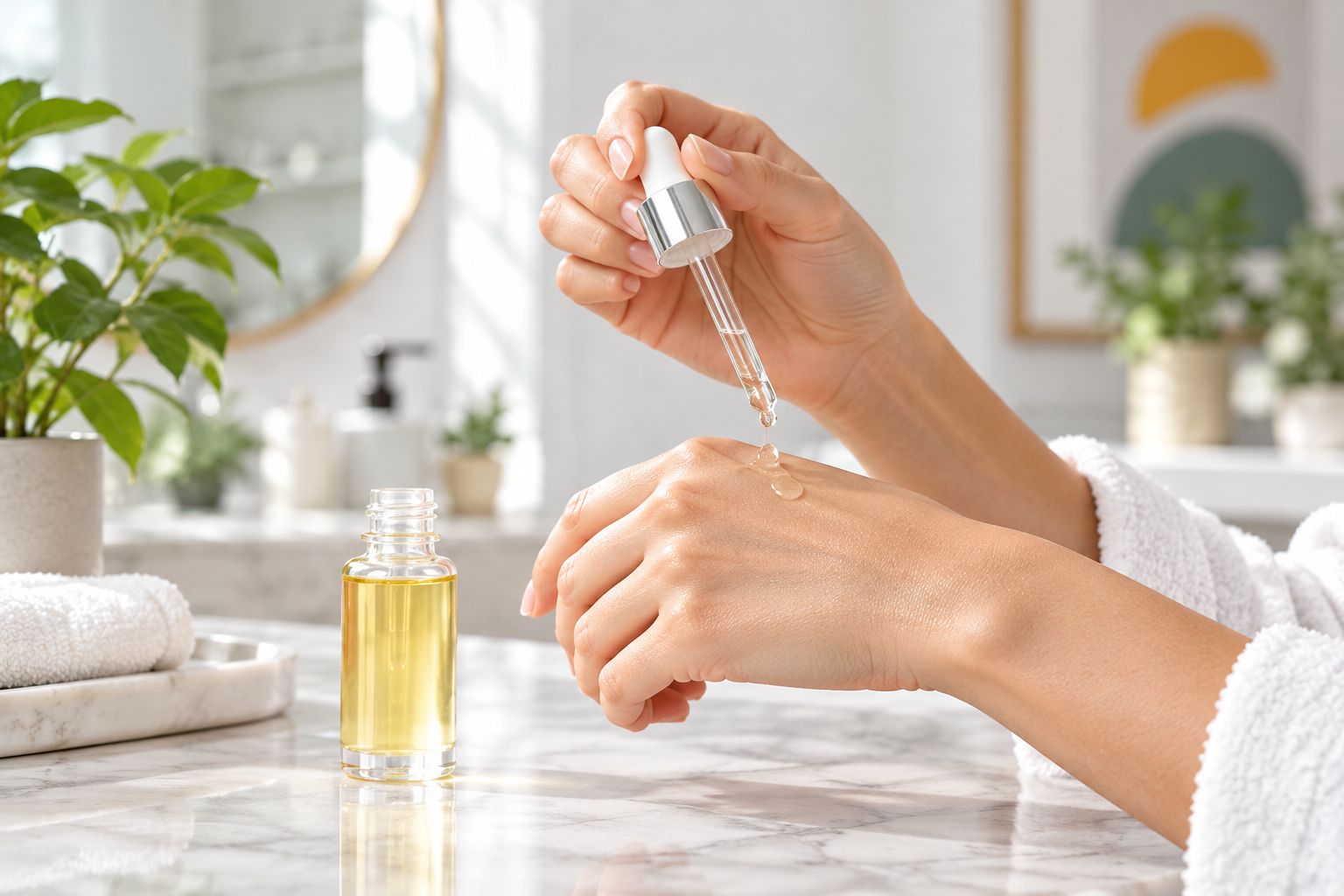
Best drugstore vitamin C serums for brightening at a glance
| Serum | Best for | Standout feature | Key limitation |
|---|---|---|---|
| The Ordinary Vitamin C Suspension 23% + HA Spheres 2% | Maximum brightening potency | 23% L-ascorbic acid, one of the highest drugstore concentrations | Grainy texture, higher irritation risk |
| L'Oréal Paris Revitalift Derm Intensives 10% Pure Vitamin C Serum | First-time vitamin C users | 10% concentration, gentler daily entry point | Slower visible fading |
| CeraVe Skin Renewing Vitamin C Serum | Dry or barrier-compromised skin | Formulated with ceramides and hyaluronic acid | Thicker texture, moderate strength |
| No7 Radiance+ Vitamin C Serum | Dullness on mature skin | Lightweight, fast-absorbing texture | Concentration isn't listed on the label |
| Good Molecules Vitamin C + Ferulic Serum | Budget layering serum | Ferulic acid extends shelf stability | Moderate strength, not a high-percentage formula |
1. The Ordinary Vitamin C Suspension 23% + HA Spheres 2%: best for maximum brightening potency
This is a suspension, not a solution, meaning the 23% L-ascorbic acid sits undissolved in the formula until you shake and apply it. It's one of the highest vitamin C concentrations sold at a mass retailer, and the added hyaluronic acid spheres offset some of the acid's drying effect.
The Ordinary Vitamin C Suspension pros:
- 23% L-ascorbic acid, a concentration usually reserved for pricier serums
- Hyaluronic acid spheres add hydration to counter dryness
- Sold at nearly every major drugstore and Ulta location
- Fast, visible brightening for skin that tolerates the strength
The Ordinary Vitamin C Suspension cons:
- Grainy texture that some users find hard to layer under makeup
- High concentration can sting or flake on sensitive skin
- Not photostable in clear packaging once exposed to light and air
Best for: tolerant skin chasing visible fading fast. Verdict: Buy if your skin already handles active ingredients well.
2. L'Oréal Paris Revitalift Derm Intensives 10% Pure Vitamin C Serum: best for first-time vitamin C users
This serum sits at 10% pure vitamin C, a concentration low enough for daily use without the burning sensation higher percentages cause. It's part of a dermatologist-developed line, and the lighter texture absorbs quickly without pilling.
L'Oréal Revitalift Vitamin C Serum pros:
- 10% concentration is gentle enough for daily beginner use
- Lightweight texture layers well under moisturizer
- Stocked at essentially every US drugstore chain
- Fragrance is mild compared to older L'Oréal formulas
L'Oréal Revitalift Vitamin C Serum cons:
- Lower strength means slower results on stubborn discoloration
- No ferulic acid or vitamin E for added stabilization
- Some bottles show color change faster once opened
Best for: anyone trying vitamin C for the first time. Verdict: Buy as the safest entry point on this list.
3. CeraVe Skin Renewing Vitamin C Serum: best for dry or barrier-compromised skin
CeraVe built this serum around its ceramide-and-hyaluronic-acid base rather than treating vitamin C as a standalone acid. That makes it the pick for skin that reacts badly to drying actives but still wants brightening.
CeraVe Vitamin C Serum pros:
- Ceramides support the moisture barrier while brightening
- Fragrance-free formula reduces irritation risk
- Backed by CeraVe's dermatologist-developed reputation
- Affordable, wide drugstore distribution
CeraVe Vitamin C Serum cons:
- Moderate strength, not built for aggressive dark spot fading
- Thicker texture takes longer to absorb than lighter serums
- Some first-time users report mild tingling
Best for: dry, eczema-prone, or barrier-compromised skin. Verdict: Buy if hydration matters as much as brightening.
4. No7 Radiance+ Vitamin C Serum: best for dullness on mature skin
No7 built this serum into its broader anti-aging Radiance+ line, targeting the dullness and uneven tone that show up with age rather than deep hyperpigmentation. The texture is light and fast-absorbing, which makes it easy to slot into a multi-step routine.
No7 Radiance+ Vitamin C Serum pros:
- Lightweight, fast-absorbing texture
- Formulated for dullness and uneven tone specifically
- Pairs with the rest of the No7 anti-aging line
No7 Radiance+ Vitamin C Serum cons:
- Exact vitamin C percentage isn't published on the label
- US shelf availability is less consistent than UK stores
- Gradual results on deeper, older dark spots
Best for: mature skin dealing with dullness rather than dark spots. Verdict: Hold — strong for glow, unproven for stubborn pigmentation.
5. Good Molecules Vitamin C + Ferulic Serum: best budget layering serum
Good Molecules keeps the formula simple: vitamin C plus ferulic acid, sold at one of the lowest price points in the category through Ulta. The ferulic acid does real work here, extending the serum's potency after the bottle is opened.
Good Molecules Vitamin C + Ferulic Serum pros:
- Ferulic acid stabilizes the vitamin C for longer shelf life
- Simple ingredient list, good for reactive skin
- Lightweight, non-sticky finish
- One of the most accessible price points on this list
Good Molecules Vitamin C + Ferulic Serum cons:
- Formulated at a moderate strength rather than a high-percentage acid
- Thin texture may need a second layer for visible coverage
- Less dramatic results than the 23% Ordinary formula
Best for: budget shoppers who still want a stabilized formula. Verdict: Buy as a low-commitment starting point.
How we ranked
Each serum was weighed against the six criteria above: concentration and form, formula pH, stabilizing antioxidants, packaging, skin-type fit, and drugstore accessibility. None of these five require a specialty retailer or a dermatologist referral, which is the entire point of a drugstore vitamin C serum for brightening.
How to layer a drugstore vitamin C serum into a brightening routine
Vitamin C works best in the morning, applied to clean, dry skin before moisturizer and always before sunscreen. The order matters: cleanse, apply the vitamin C serum, let it absorb for a minute, then moisturize and finish with SPF.
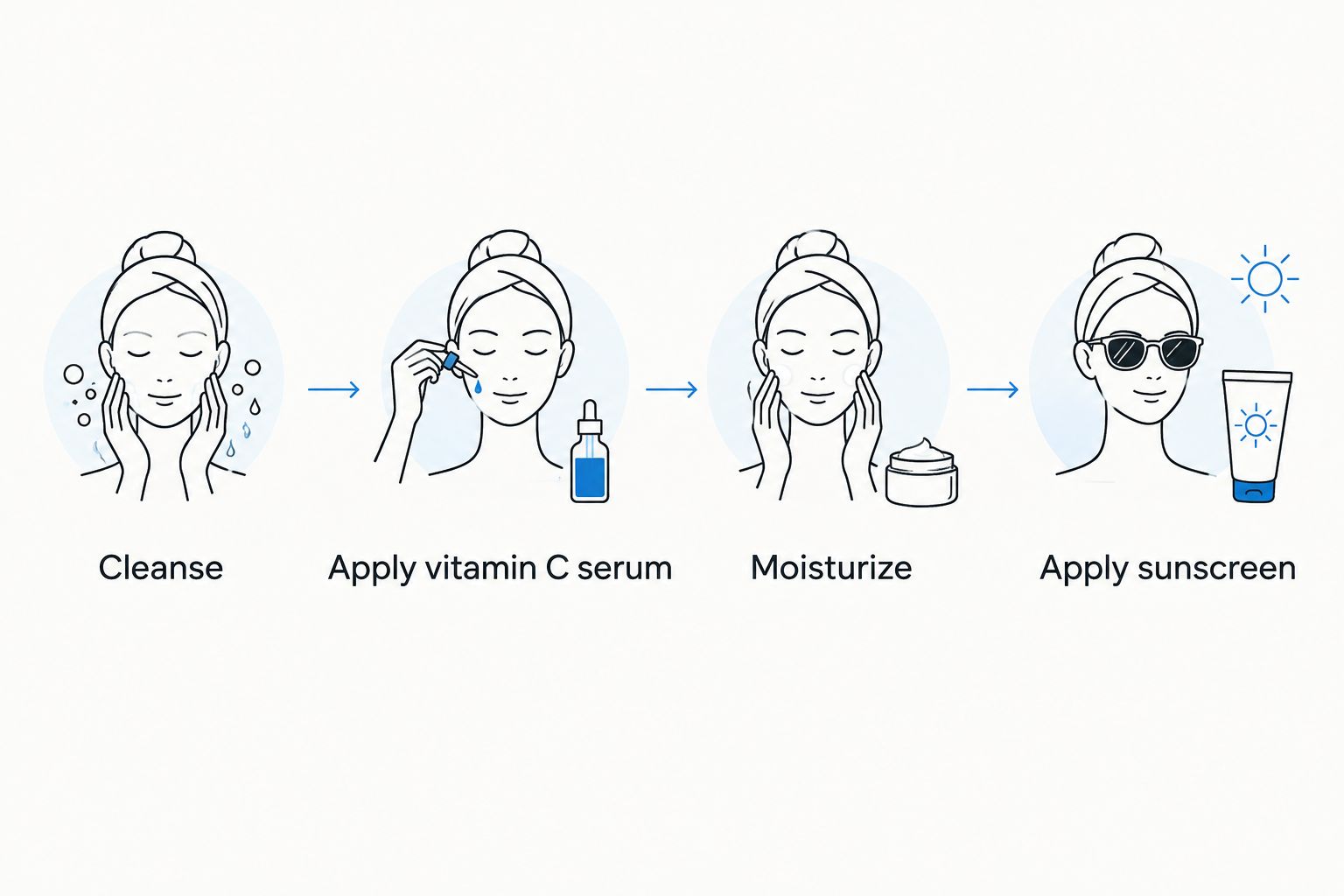
A drugstore vitamin C serum handles dullness and early discoloration on its own, but stubborn dark spots or melasma usually need a dedicated brightening step layered in alongside it. Tonique Skincare's Color-Correcting Anti-Aging Brightening Serum is hydroquinone-free and built to target uneven tone once the vitamin C step is done, and pairing any vitamin C serum with a tinted brightening sunscreen protects the fading you've already achieved. Skipping SPF after a vitamin C step is the single most common reason brightening routines stall in 2026.


Which drugstore vitamin C serum should you choose?
If your skin already tolerates actives, The Ordinary Vitamin C Suspension 23% + HA Spheres 2% gives the fastest brightening for the least money. If you've never used vitamin C before, start with L'Oréal Paris Revitalift Derm Intensives 10% Pure Vitamin C Serum and move up in strength later. Dry or reactive skin does better with CeraVe Skin Renewing Vitamin C Serum, and anyone shopping strictly on price should default to Good Molecules Vitamin C + Ferulic Serum.
Still undecided in 2026? Start at 10%, not 23%. It's easier to increase strength once your skin proves it can handle it than to recover from irritation caused by starting too strong.
FAQ
What's the best drugstore vitamin C serum for brightening in 2026?
The Ordinary Vitamin C Suspension 23% + HA Spheres 2% is the best overall pick for brightening power, while L'Oréal Paris Revitalift Derm Intensives 10% Pure Vitamin C Serum is better for sensitive or first-time skin.
Is a higher vitamin C percentage always better?
No. Higher percentages like 23% fade discoloration faster but irritate sensitive skin more; a 10% formula works more slowly but is easier to use daily without flaking or stinging.
Can I use vitamin C serum with a dark spot corrector or tranexamic acid cream?
Yes, most routines layer vitamin C in the morning and a dedicated dark spot treatment separately, since combining actives without spacing them out can increase irritation.
How long does it take to see brightening results from vitamin C serum?
Most people notice a difference in dullness and tone within 4 to 8 weeks of daily use; deeper dark spots take longer and often need a dedicated brightening product alongside it.
Should vitamin C serum go before or after moisturizer?
Vitamin C serum goes on clean, dry skin before moisturizer and sunscreen, so it can absorb fully before anything else sits on top of it.
Why did my vitamin C serum turn orange or brown?
That color change means the L-ascorbic acid has oxidized from light and air exposure and lost most of its effectiveness; it's time to replace the bottle.
Is The Ordinary's Vitamin C Suspension better than CeraVe's version?
The Ordinary's 23% formula fades discoloration faster on tolerant skin, while CeraVe's version is better for dry or barrier-compromised skin because it's built around ceramides and hyaluronic acid.
Can sensitive skin use a 20%+ vitamin C serum?
It's possible but risky; sensitive skin usually does better starting at 10% and building up strength only after the skin proves it tolerates it without stinging or flaking.
One last thing
L-ascorbic acid needs a formula pH under 3.5 to actually penetrate skin, and most drugstore labels never print the pH anywhere on the box. If a vitamin C serum feels smooth and never tingles at all on first use, check whether it's a stabilized derivative rather than pure ascorbic acid; that's not a flaw, but it changes how fast you should expect brightening in 2026.