

Post-inflammatory hyperpigmentation (PIH) doesn't need a full skincare overhaul — it needs the right spot treatment applied consistently. Best overall: Semi-Custom Gel Creme for Face (strong bleaching treatment) for stubborn, resistant marks. Best for daily maintenance: Dark Spot Face Cream with Kojic Acid. Best for body spots: Kojic Acid Soap with Vitamin E. Below is how each option stacks up and who should actually buy it in 2026.
- The best spot treatment for post-inflammatory hyperpigmentation depends on severity: Semi-Custom Gel Creme for Face handles stubborn marks, Dark Spot Face Cream with Kojic Acid handles daily maintenance.
- Kojic Acid Soap with Vitamin E is the pick for body PIH on knees, elbows, and underarms.
- Dark spot capsules work as a support product, not a stand-alone fix, for post-inflammatory hyperpigmentation.
- Glycolic Peeling and Whitening Lotion is the right call when a mark is textured, not just discolored.
- SPF 30 daily use is non-negotiable — no spot treatment outpaces unprotected sun exposure.
Why this matters
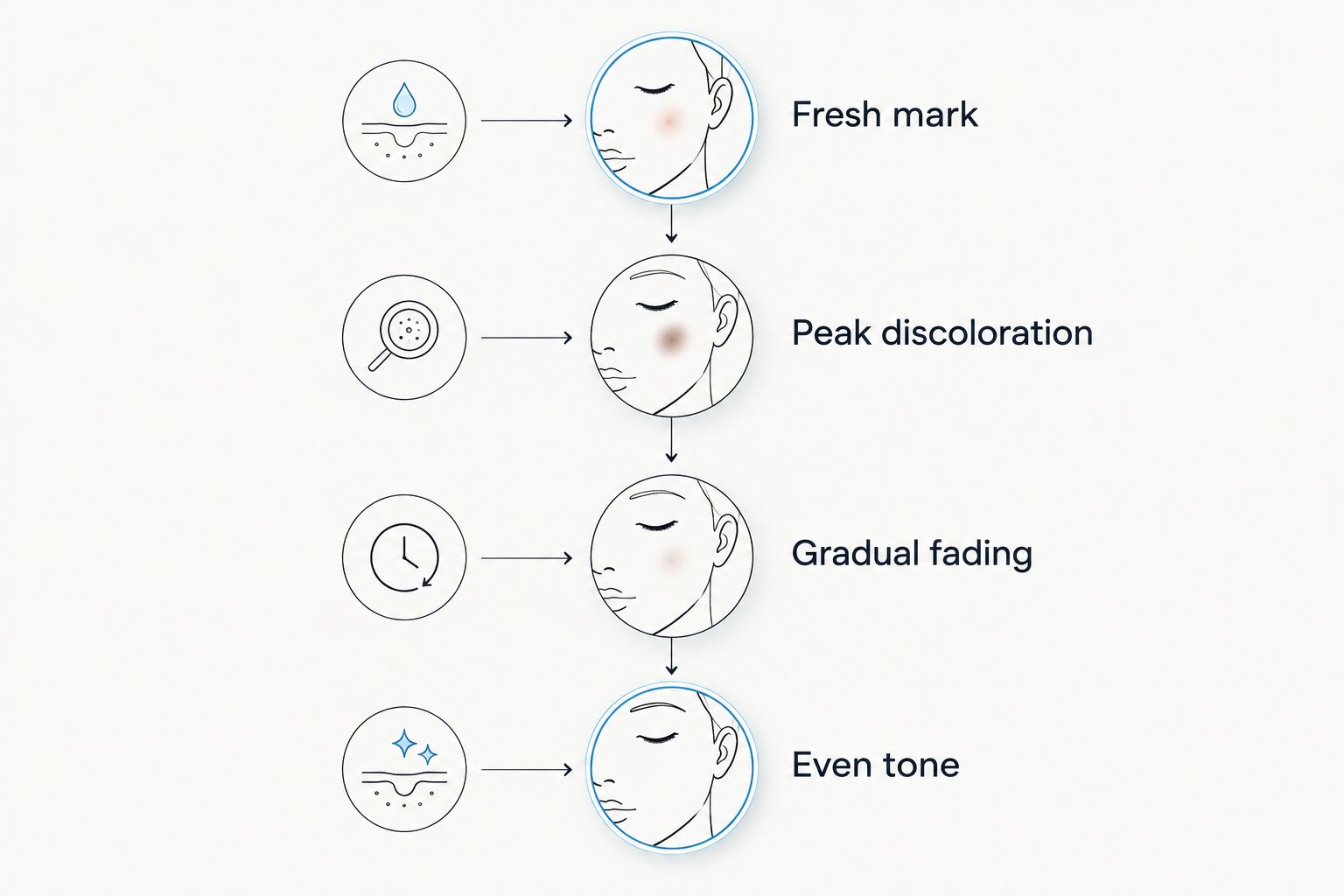
PIH is the flat, brown-to-dark mark left behind after acne, a burn, a bug bite, or any skin injury heals — it's not the same as melasma or sun damage, though it responds to some of the same ingredients. The mistake most people make is grabbing a general brightening cream instead of a targeted spot treatment, which spreads active ingredients thin across the whole face instead of concentrating them where the mark actually sits.
Left alone, a stubborn mark can sit for months to over a year before it fades on its own. That's the entire case for a dedicated spot treatment: it concentrates active ingredients like kojic acid, tranexamic acid, or glycolic acid directly on the discolored tissue instead of diluting them across skin that's already even. If you're comparing formulas by ingredient, the breakdown in tranexamic acid options for post-inflammatory hyperpigmentation is worth a read before you commit to one active over another.
What makes the best spot treatment for post-inflammatory hyperpigmentation
- Active concentration matched to severity — a mild kojic acid cream won't touch a mark that's been there for two years.
- Spot-application texture — thicker gels and creams stay put on a mark instead of spreading with your moisturizer.
- Exfoliation support — actives penetrate faster once dead, pigmented skin cells are cleared.
- Format fits the area — soap for large body zones, cream or gel for the face, capsules as backup support.
- Compatibility with sunscreen — a spot treatment that fights your SPF routine will stall progress.
At a glance
| Product | Best for | Standout feature | Key limitation |
|---|---|---|---|
| Semi-Custom Gel Creme for Face | Stubborn, resistant PIH | High-concentration bleaching formula | Requires careful patch testing before daily use |
| Dark Spot Face Cream with Kojic Acid | Daily facial maintenance | Kojic acid in an everyday texture | Slower on deep or older marks |
| Kojic Acid Soap with Vitamin E | Body PIH (knees, elbows, underarms) | Covers large areas efficiently | Short contact time in the shower limits speed |
| Perfect Skin Tone Dark Spot Capsules | Supporting an existing routine | No application step, pairs with any topical | Not effective as a stand-alone treatment |
| Glycolic Peeling and Whitening Lotion | Textured or resistant marks | Dual exfoliation plus brightening action | Raises sun sensitivity, needs strict SPF |
1. Semi-Custom Gel Creme for Face: best spot treatment for stubborn, resistant PIH
This is Tonique Skincare's strongest facial formula, built for marks that haven't responded to lighter dark spot correctors. It's a concentrated gel creme meant to be applied directly on discoloration rather than across the whole face.
Semi-Custom Gel Creme for Face pros:
- High-concentration active blend for marks that have resisted other products
- Gel texture stays localized instead of migrating to surrounding skin
- Positioned for fast, visible fading rather than slow maintenance
Semi-Custom Gel Creme for Face cons:
- Strength means a patch test (24 to 48 hours on a small area) is worth doing before full use
- Not the right starting point for sensitive or reactive skin
- Overuse on surrounding skin can cause uneven results
Semi-Custom Gel Creme for Face verdict: Buy — this is the step-up option when milder treatments have stalled.
2. Dark Spot Face Cream with Kojic Acid: best spot treatment for daily maintenance
Kojic acid has decades of use as a brightening ingredient, and this cream puts it in a lighter, everyday texture. It's built to reduce the look of dark spots and discoloration with regular use rather than a fast, aggressive fade.
Dark Spot Face Cream with Kojic Acid pros:
- Suited to daily application without the irritation risk of stronger actives
- Lighter texture layers well under sunscreen and makeup
- Kojic acid is a well-studied brightening ingredient
Dark Spot Face Cream with Kojic Acid cons:
- Slower results on deep or long-standing marks
- Kojic acid formulas can lose potency if stored in direct sunlight or heat
- Not concentrated enough for severe PIH on its own
Dark Spot Face Cream with Kojic Acid verdict: Buy — the sensible daily driver for mild to moderate marks.
3. Kojic Acid Soap with Vitamin E: best spot treatment for body PIH
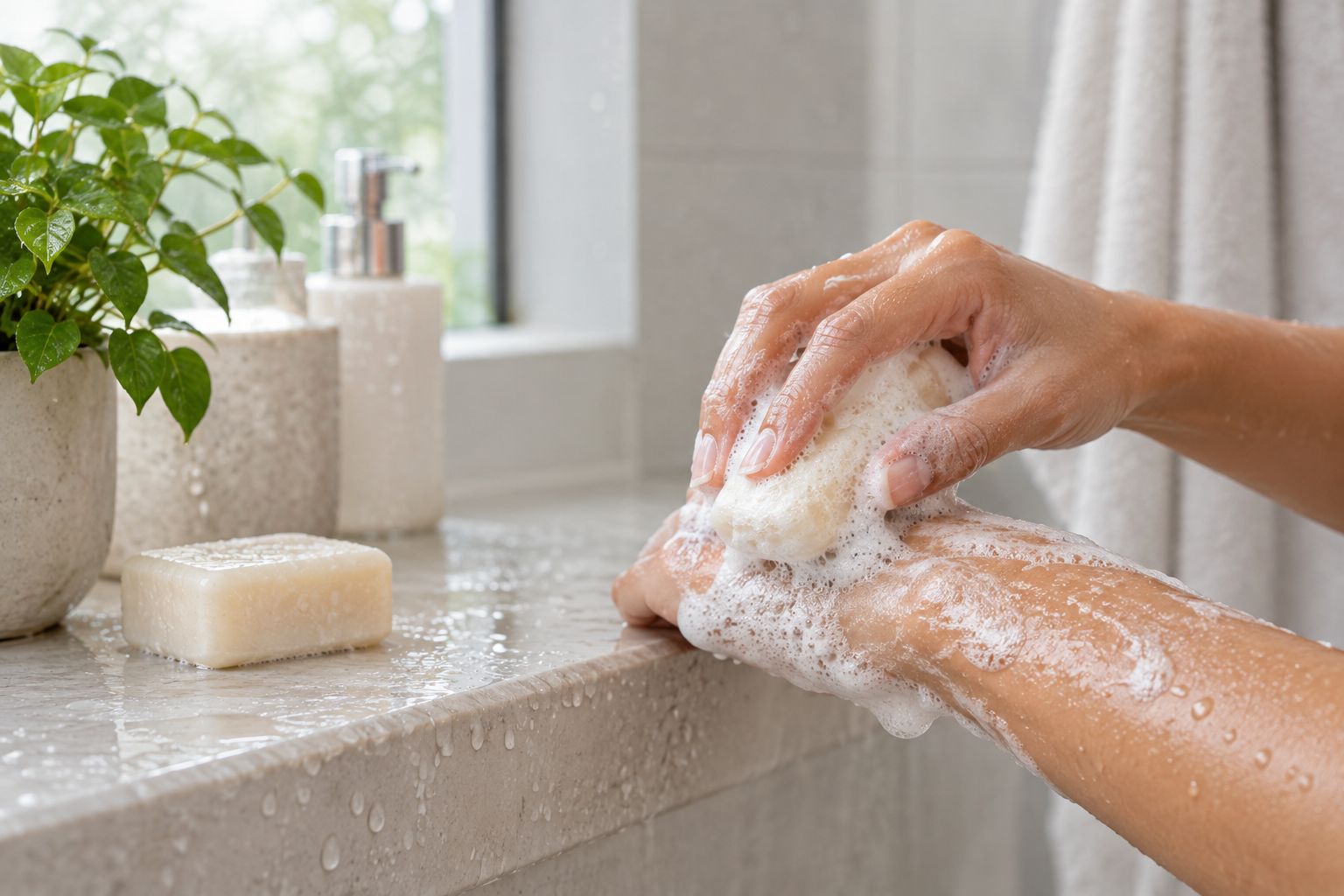
Facial creams don't scale to knees, elbows, or underarms efficiently. This soap bar puts kojic acid and vitamin E into a wash format built for larger, harder-to-treat body areas.
Kojic Acid Soap with Vitamin E pros:
- Covers large surface areas in one step
- Vitamin E supports the skin barrier while kojic acid works
- Fits easily into an existing shower routine
Kojic Acid Soap with Vitamin E cons:
- Rinse-off contact time is short compared to leave-on treatments
- Can be drying without a follow-up moisturizer
- Not concentrated enough for isolated, stubborn facial marks
Kojic Acid Soap with Vitamin E verdict: Buy — the right call for body PIH, not facial spot correction.
4. Perfect Skin Tone Dark Spot Capsules: best support for an existing routine
These capsules aren't a spot treatment on their own — they're built to pair with a topical cream, lotion, or cleanser to support the fading process from the inside.
Perfect Skin Tone Dark Spot Capsules pros:
- No application step, fits into a daily supplement habit
- Designed to complement any topical routine
- Simple to add without changing your existing products
Perfect Skin Tone Dark Spot Capsules cons:
- Won't fade a mark without a topical partner doing the direct work
- Results are harder to isolate from the topical you're already using
- Not a substitute for a dedicated dark spot corrector
Perfect Skin Tone Dark Spot Capsules verdict: Hold — add it to a routine, don't lead with it.
5. Glycolic Peeling and Whitening Lotion: best spot treatment for textured, resistant marks
When a mark comes with rough or thickened texture, not just discoloration, exfoliation has to do part of the work. This lotion combines glycolic acid resurfacing with brightening actives in one step.
Glycolic Peeling and Whitening Lotion pros:
- Exfoliation clears the way for brightening actives to penetrate
- Dual action means fewer steps in the routine
- Useful on marks that feel raised or rough, not just flat and dark
Glycolic Peeling and Whitening Lotion cons:
- Increases sun sensitivity, so SPF 30 daily is mandatory, not optional
- Not a fit for eczema-prone or reactive skin
- Can sting on freshly healed skin if introduced too early
Glycolic Peeling and Whitening Lotion verdict: Buy — for resistant, textured marks specifically.


How we ranked
Each product was matched against the five criteria above: active concentration, spot-application texture, exfoliation support, format fit for the treatment area, and sunscreen compatibility. Items lower on the list either work as support products rather than primary treatments, or serve a narrower use case than the top three.
“A spot treatment for post-inflammatory hyperpigmentation needs weeks of consistent use to work — expecting overnight results is the most common reason people quit too early.”
Which spot treatment should you choose?
If you're not sure where to start in 2026, default to Dark Spot Face Cream with Kojic Acid — it's the lowest-risk daily option for mild to moderate PIH. Step up to Semi-Custom Gel Creme for Face if a mark has resisted lighter formulas for months. If the marks are on your body rather than your face, Kojic Acid Soap with Vitamin E is the more practical format. Whatever you pick, most brightening actives need 8 to 12 weeks of consistent use before a mark visibly changes — judge results on that timeline, not on week two.
FAQ
What's the best spot treatment for post-inflammatory hyperpigmentation?
For most people, a kojic acid dark spot cream used daily is the best starting spot treatment for post-inflammatory hyperpigmentation, with a stronger bleaching gel creme reserved for marks that don't respond after 8 to 12 weeks.
How long does it take for a spot treatment to fade post-inflammatory hyperpigmentation?
Most brightening actives need 8 to 12 weeks of consistent daily use before a visible change appears. Older, deeper marks can take longer than freshly formed ones.
Is kojic acid or a stronger bleaching cream better for dark spots?
Kojic acid works well for mild to moderate marks used daily, while a concentrated bleaching gel creme is better reserved for stubborn spots that haven't responded to lighter formulas.
Can I use a spot treatment while I still have active acne?
Yes, but apply the spot treatment to the healed, discolored area rather than active breakouts, since fresh acne needs different ingredients than a resolved mark.
Do I need sunscreen with a dark spot corrector?
Yes. SPF 30 or higher daily is required, especially with exfoliating or bleaching actives, or the treated area can darken again faster than the product fades it.
Are dark spot capsules effective on their own?
No, capsules are designed to support a topical spot treatment, not replace one. Pair them with a cream or lotion applied directly to the mark for actual fading.
What's different about a spot treatment for the body versus the face?
Body formulas like a kojic acid soap are built to cover larger areas quickly in the shower, while facial spot treatments use thicker, longer-contact textures for smaller, concentrated marks.
Will post-inflammatory hyperpigmentation come back after it fades?
A faded mark won't return on its own, but new PIH can form if the same skin area is injured or inflamed again, which is why sun protection matters after treatment too.
One last thing
The biggest reason spot treatments for post-inflammatory hyperpigmentation seem to "not work" isn't the formula — it's inconsistent sun protection undoing weeks of progress in a single unprotected afternoon. Pair whichever product you pick with daily SPF 30, and give it the full 8 to 12 weeks before deciding it's not working.