

Best overall: Tonique Skincare's Color-Correcting Anti-Aging Brightening Serum wins the best vitamin C serum for melasma pick for anyone who wants vitamin C paired with active color correction in one bottle. Best for maximum antioxidant defense: SkinCeuticals C E Ferulic. Best budget option: Timeless 20% Vitamin C + E Ferulic Acid Serum.
- Tonique Skincare's Color-Correcting Anti-Aging Brightening Serum is the best vitamin C serum for melasma when you want a hydroquinone-free option that also targets uneven tone.
- SkinCeuticals C E Ferulic pairs 15% L-ascorbic acid with ferulic acid for the strongest antioxidant defense against UV-triggered melasma.
- Timeless 20% Vitamin C + E Ferulic Acid Serum matches that concentration at a fraction of the cost.
- Mad Hippie Vitamin C Serum suits reactive, sensitive skin that can't tolerate high-strength L-ascorbic acid.
- Vitamin C alone won't fade melasma in 2026 without daily mineral sunscreen layered on top.
Why this matters
Melasma doesn't fade the way an ordinary sun spot does. It's driven by hormone-sensitive melanocytes that flare with UV and heat, so treatment has to control oxidative stress as much as it fades existing pigment. Vitamin C works as an antioxidant that blocks the enzyme tyrosinase from producing new melanin, but only if the formula holds its potency long enough to hit skin at an active concentration.
That's why concentration and stability matter more here than for plain sun spots. A serum that oxidizes in the bottle turns from a treatment into an inactive, tan-colored liquid before it ever gets applied. Tonique's breakdown of vitamin C serums ranked by strength for hyperpigmentation covers which concentrations actually move the needle heading into 2026.
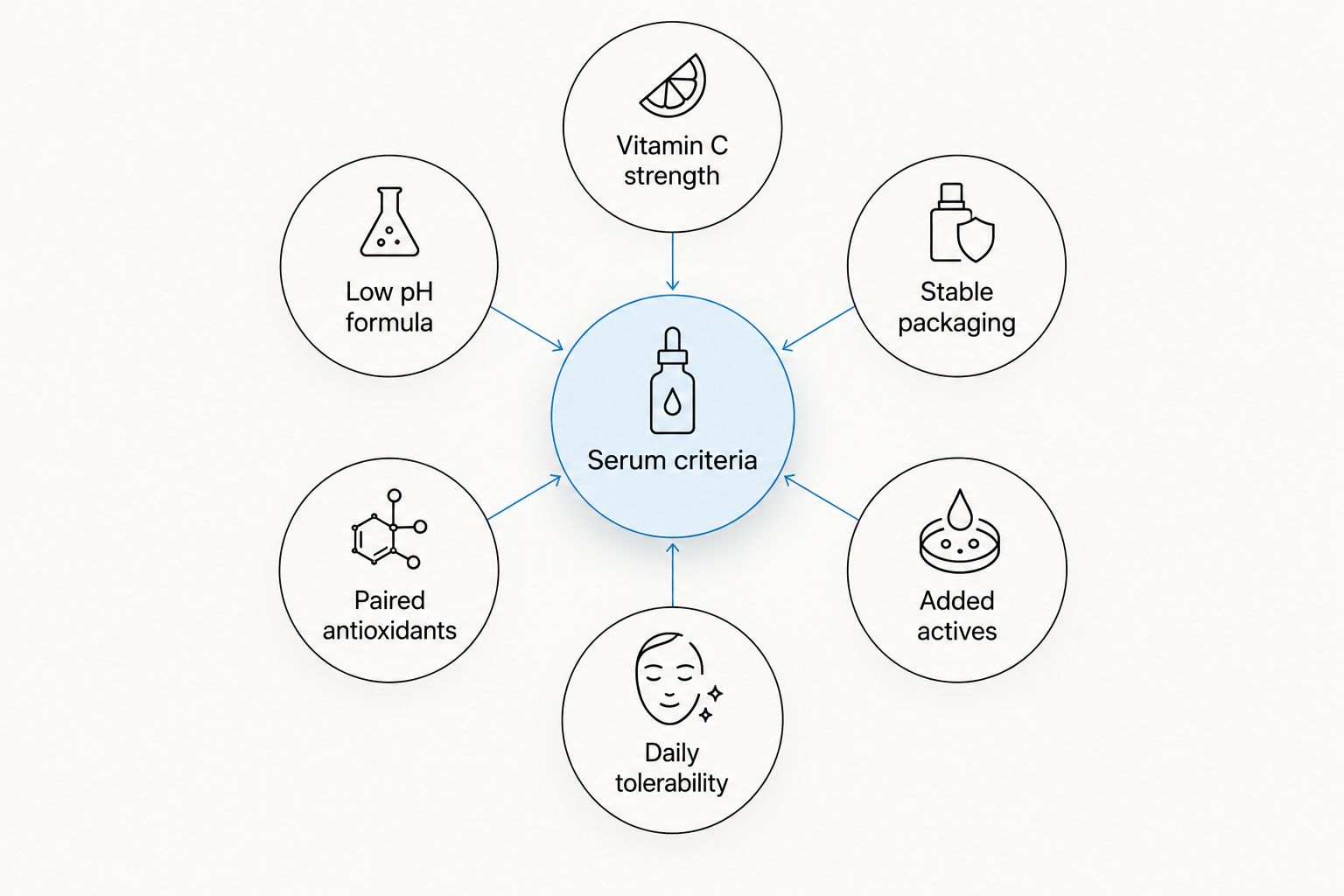
What makes the best vitamin C serum for melasma
- Concentration between 10-20% L-ascorbic acid, or an equivalent stabilized derivative
- Formula pH at or below 3.5, the threshold L-ascorbic acid needs to absorb into skin
- Airless or opaque packaging that blocks oxidation before the bottle is even opened
- Paired antioxidants like ferulic acid or vitamin E that extend potency once opened
- Added brightening actives — niacinamide, licorice root, color-correcting pigments — aimed at melasma specifically
- Daily tolerability without stinging, since melasma routines require months of consistent use
Vitamin C serums for melasma, at a glance
| Serum | Best for | Standout feature | Key limitation |
|---|---|---|---|
| Tonique Color-Correcting Anti-Aging Brightening Serum | Vitamin C plus active color correction | Hydroquinone-free formula built to fix existing uneven tone | Newer to market than legacy vitamin C brands |
| SkinCeuticals C E Ferulic | Maximum antioxidant defense | 15% L-ascorbic acid stabilized with ferulic acid and vitamin E | Premium price and a sticky texture |
| Timeless 20% Vitamin C + E Ferulic Acid Serum | Budget shoppers | 20% L-ascorbic acid, the highest concentration on this list | Clear packaging oxidizes fast once opened |
| Mad Hippie Vitamin C Serum | Sensitive, reactive skin | Gentler ~17% concentration with minimal fragrance | Weaker against stubborn, long-standing melasma |
| La Roche-Posay 10% Pure Vitamin C Serum | First-time vitamin C users | 10% concentration formulated for tolerance | Too mild alone for moderate to severe melasma |
1. Tonique Color-Correcting Anti-Aging Brightening Serum: best for dual-action color correction
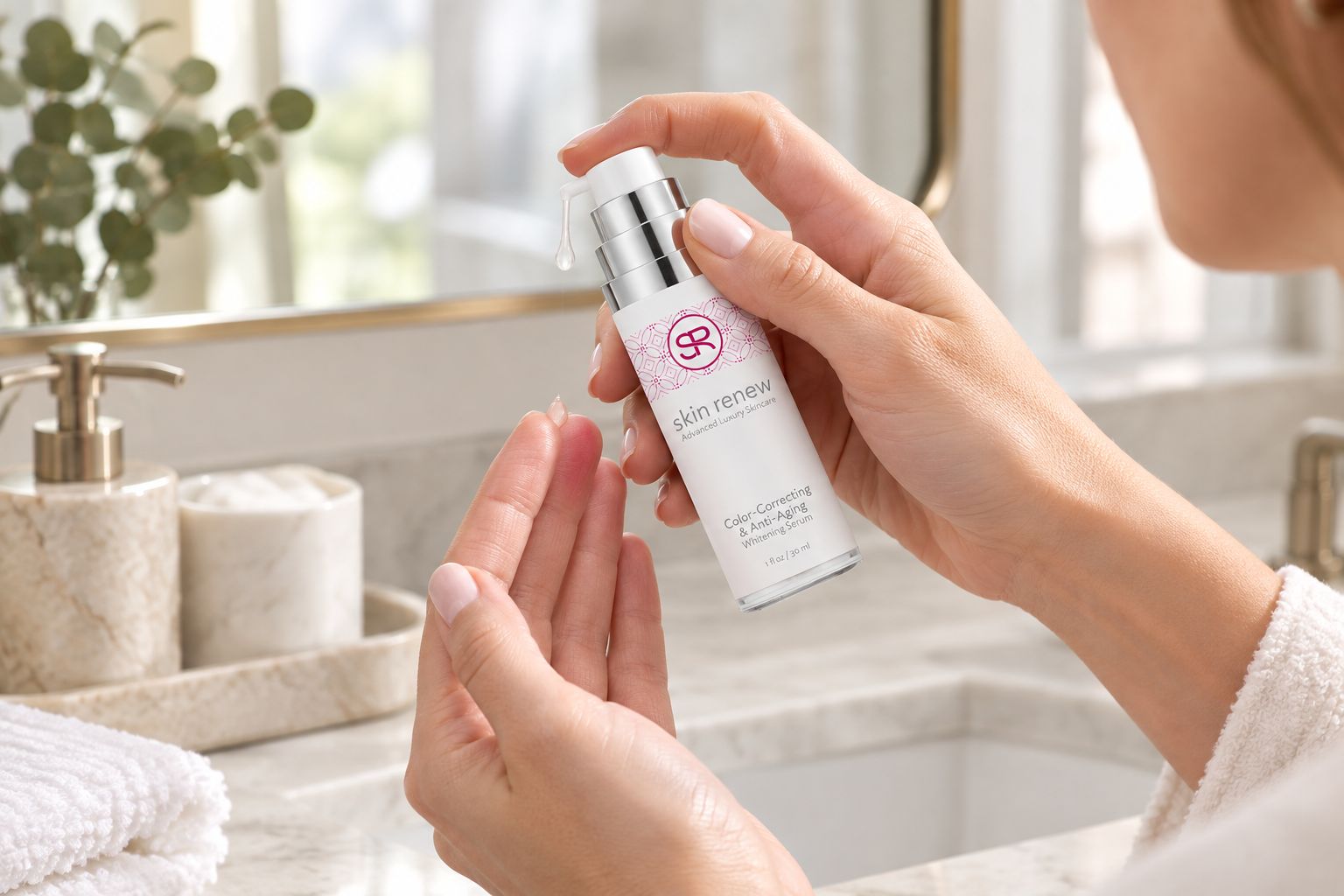
Tonique Skincare's Color-Correcting Anti-Aging Brightening Serum combines vitamin C with a hydroquinone-free color-correcting complex built to fix uneven tone, not just prevent new spots. It targets existing melasma patches while the vitamin C layer works against fresh UV-triggered pigment. Apply it under sunscreen every morning, not at night.
Tonique Color-Correcting Anti-Aging Brightening Serum pros:
- Hydroquinone-free, so it fits routines that skip prescription-strength actives
- Doubles as a spot corrector and a daily vitamin C step
- Lightweight enough to layer under sunscreen without pilling
Tonique Color-Correcting Anti-Aging Brightening Serum cons:
- Newer formula without the decades of independent clinical data SkinCeuticals has
- Visible fading takes consistent daily use through a full 2026 UV season, not a quick fix
Best for: melasma-prone skin that wants vitamin C and active color correction in one product. Verdict: Buy.
2. SkinCeuticals C E Ferulic: best for maximum antioxidant defense
SkinCeuticals C E Ferulic layers 15% L-ascorbic acid with vitamin E and ferulic acid, a combination widely cited in dermatology literature for boosting vitamin C's antioxidant activity and photoprotection. It's the formula dermatologists reach for first when melasma is driven heavily by sun and heat exposure.
SkinCeuticals C E Ferulic pros:
- The most independently studied vitamin C formula on this list
- Ferulic acid and vitamin E extend stability once the bottle is opened
- Backed by decades of dermatologist recommendations
SkinCeuticals C E Ferulic cons:
- Premium positioning puts it out of reach for casual users
- Sticky texture and strong scent bother some users
- No dedicated melasma actives beyond the antioxidant trio
Best for: melasma triggered mainly by sun and heat who want the most-studied formula available. Verdict: Buy if budget allows.
3. Timeless 20% Vitamin C + E Ferulic Acid Serum: best budget option
Timeless 20% Vitamin C + E Ferulic Acid Serum matches SkinCeuticals on concentration — 20% L-ascorbic acid plus vitamin E and ferulic acid — at a fraction of the cost. It's the formula most often recommended in budget routines built around hyperpigmentation.
Timeless 20% Vitamin C pros:
- Highest concentration on this list at 20% L-ascorbic acid
- Vitamin E and ferulic acid included for stability
- Widely available and easy to reorder
Timeless 20% Vitamin C cons:
- Clear bottle oxidizes faster once opened
- Can pill under heavier moisturizers
Best for: budget shoppers who still want a high-strength formula. Verdict: Buy, store away from light and heat.
4. Mad Hippie Vitamin C Serum: best for sensitive, reactive skin
Mad Hippie Vitamin C Serum drops concentration to roughly 17% and leans on a gentler delivery system, making it the pick for skin that stings or flushes with stronger acids. It still pairs vitamin C with ferulic acid and vitamin E for antioxidant support.
Mad Hippie Vitamin C Serum pros:
- Gentler formula for reactive or rosacea-prone skin
- Minimal fragrance reduces irritation risk
- Ferulic acid and vitamin E included for stability
Mad Hippie Vitamin C Serum cons:
- Weaker against stubborn, long-standing melasma patches
- Slower visible fading timeline than higher-strength options
Best for: sensitive skin that reacts to high-strength vitamin C. Verdict: Buy if your skin flags stronger serums.
5. La Roche-Posay 10% Pure Vitamin C Serum: best for first-time vitamin C users
La Roche-Posay 10% Pure Vitamin C Serum sits at the lower end of the effective range, built for skin that has never used vitamin C before. It's a low-risk entry point before stepping up to a higher concentration later in 2026.
La Roche-Posay 10% Vitamin C pros:
- Dermatologist-tested brand with wide availability
- Lower concentration reduces irritation risk on day one
- No added fragrance
La Roche-Posay 10% Vitamin C cons:
- Too mild alone for moderate to severe melasma
- Needs to be paired with other actives for real fading
Best for: first-time vitamin C users easing into a brightening routine. Verdict: Hold as a starter, upgrade concentration after a few months of tolerance.
Round out the routine
None of the five serums above work in isolation on melasma. Tonique Skincare pairs its Color-Correcting Anti-Aging Brightening Serum with actives built for the same discoloration, and the Vitamin C Brightening Eye Patches target the thinner skin around the eyes that a facial serum usually skips.


How we ranked these vitamin C serums for melasma
Every serum on this list is scored against the same six criteria: concentration, pH, packaging, paired antioxidants, added actives, and daily tolerability. Tonique Skincare's own product went through that identical checklist — no different bar for a house brand than for a clinical staple like SkinCeuticals.
Which vitamin C serum for melasma should you choose in 2026?
If you're not sure where to start, Tonique Skincare's Color-Correcting Anti-Aging Brightening Serum is the default: hydroquinone-free, built for uneven tone specifically, and made to sit inside a full brightening routine. Tonique's guide to building a skincare routine for melasma-prone skin walks through what to layer around it — sunscreen, exfoliation days, and when to add a targeted spot corrector.
Sensitive skin should start with Mad Hippie or La Roche-Posay before stepping up in strength. Budget shoppers do fine with Timeless. Anyone chasing the most-studied formula on the market reaches for SkinCeuticals C E Ferulic.
FAQ
What's the best vitamin C serum for melasma in 2026?
Tonique Skincare's Color-Correcting Anti-Aging Brightening Serum is the best overall pick for 2026 because it pairs vitamin C with a hydroquinone-free color-correcting complex. SkinCeuticals C E Ferulic is the strongest research-backed alternative if budget isn't a concern.
Is vitamin C serum better than hydroquinone for melasma?
Vitamin C works as an antioxidant that slows new pigment production, while hydroquinone actively suppresses melanin synthesis and works faster on existing spots. Many melasma routines use vitamin C in the morning and a targeted corrector at night rather than choosing one over the other.
Can I use vitamin C serum and tranexamic acid together?
Yes, vitamin C and tranexamic acid target different parts of the pigment pathway and are commonly layered in the same routine. Apply the thinner, more acidic product first and wait a few minutes before the next step.
Does vitamin C serum make melasma worse?
A stable, correctly formulated vitamin C serum does not worsen melasma. Irritation from an unstable or overly acidic formula can trigger inflammation, which is what makes melasma flare, so tolerability matters as much as concentration.
How long does it take to see results from a vitamin C serum on melasma?
Most people need consistent daily use for eight to twelve weeks before noticing a visible change in melasma patches. Results depend on sun protection just as much as the serum itself.
Should I use vitamin C serum in the morning or at night for melasma?
Morning is standard, since vitamin C adds antioxidant protection against the UV exposure that triggers melasma during the day. Applying it under sunscreen every morning gets more value than using it only at night.
Is L-ascorbic acid or a vitamin C derivative better for melasma?
L-ascorbic acid at 10-20% and a pH below 3.5 is the most studied and most potent form for hyperpigmentation. Derivatives are gentler and better tolerated but generally weaker, which is why they suit sensitive skin rather than stubborn melasma.
Do I still need sunscreen if I use a vitamin C serum for melasma?
Yes, sunscreen is not optional with melasma. UV exposure re-triggers the same pigment-producing pathway vitamin C is trying to block, so skipping SPF undoes weeks of consistent serum use.
One last thing
Vitamin C serum does close to nothing for melasma without daily sunscreen layered on top. UV exposure re-triggers the same tyrosinase pathway vitamin C is trying to block, so skipping SPF in 2026 cancels out weeks of consistent serum use. Reapply every two hours in direct sun, not just once in the morning.