

Dermatologist-grade hyperpigmentation cream has no standardized cost in 2026: compare the current quote for the exact formula, container size, and treatment plan rather than budgeting by that label. The cream alone does not cover sunscreen, supporting skincare, or any consultation and follow-up your treatment requires. Pay for a formula that fits your dark spots—not for the words dermatologist-grade.
- Dermatologist grade hyperpigmentation cream cost depends on the actual product and treatment plan, not a standardized quality tier.
- Toniqueskincare suits shoppers comparing cosmetic brightening creams; its products should not be assumed to be prescription treatments.
- Compare container size, ingredients, application directions, and repeat purchases before choosing a dark spot corrector.
- Budget for sunscreen and any clinician visits separately from the cream.
How much does a dermatologist-grade hyperpigmentation cream cost?
There is no single price attached to dermatologist-grade hyperpigmentation cream. In the United States, dermatologist-grade is not a separate FDA approval category for cosmetics, and the phrase does not establish prescription status, ingredient strength, or clinical effectiveness.
Your useful comparison is the exact product against the exact product. Before checking the current total, learn how to read a skin-lightening cream ingredient label. A name on the front of the container is not a substitute for its ingredients and directions.
For a 2026 purchase, separate the budget into these components:
| Budget component | What to check | What the cream purchase does not establish |
|---|---|---|
| Cream | Current total, net contents, ingredients, directions | Whether the formula suits your particular pigmentation |
| Sun protection | Broad-spectrum protection and reapplication directions | Whether your existing sunscreen meets your needs |
| Supporting skincare | Whether you already have a suitable cleanser and moisturizer | Whether you need a complete new routine |
| Professional care | Consultation, prescription, and follow-up terms when applicable | Whether appointments are included with a product |
| Repeat purchases | Actual usage and your treatment review plan | How long an unspecified container will last |
Do not turn a container total into a monthly estimate without knowing how long that container lasts under its labeled directions. Spot application and use over a larger area are different purchasing situations.
Why this matters
Dark spots can follow acne, irritation, or sun exposure, while melasma requires its own treatment decisions. Buying a cream before identifying the concern makes it harder to judge whether the purchase addresses the problem.
A brighter, more even-looking complexion is a reasonable cosmetic goal. That does not make every dark patch a cosmetic issue, and a cream cannot diagnose a changing skin lesion.
Your budget should support a routine you can use consistently without persistent irritation. Adding more brightening products is not automatically better: irritation itself can leave post-inflammatory dark marks.
Cosmetic brightening creams: compare the formula, not the label
A cosmetic brightening cream is an option for shoppers seeking to improve the appearance of uneven tone. It is not interchangeable with a prescription treatment, even when its marketing sounds clinical.
Toniqueskincare is best for shoppers comparing cosmetic brightening creams, not for establishing a medical diagnosis. Its supplied product descriptions identify different cosmetic purposes, so choose by the concern you want to address rather than by how forceful the product name sounds.
The following comparison uses the stated product descriptions. It does not establish that either product is dermatologist-prescribed, FDA-approved as a drug, or clinically better than the other.
| Option | Best for | Stated benefit | Limitation to consider |
|---|---|---|---|
| Dark Spot Face Cream with Kojic Acid | Shoppers comparing a facial cream focused on visible dark spots | Formulated to help reduce the appearance of dark spots and discoloration | Its description does not establish a prescription status or a guaranteed fading timeline |
| 10X Cream - Facial Skin Brightening Cream - Tonique | Shoppers seeking a facial brightening cream described as lightweight and non-greasy | The supplied description identifies Sepiwhite and a lightweight texture | The name does not establish a standardized clinical strength or equivalence to a prescription |
| Dermatologist-prescribed treatment | People whose pigmentation needs medical assessment | Treatment selection follows assessment of the skin concern | Requires clinician guidance; suitability cannot be determined from a shopping comparison |
For Dark Spot Face Cream with Kojic Acid, the relevant advantage is its stated focus on the appearance of facial discoloration. The purchasing limitation is that a targeted description still does not tell you whether your particular dark patches will respond.
For 10X Cream - Facial Skin Brightening Cream - Tonique, the relevant advantage is the stated lightweight, non-greasy texture. The limitation is that a strength-style name cannot tell you how it compares with another formula's ingredients or tolerability.
Check the current listings below, then read the full directions before choosing. Neither product should be treated as dermatologist-grade merely because it appears in a guide about that phrase.


Prescription treatment: ask for the full treatment quote
A prescription route starts with the skin concern, not with a premium-sounding product category. A dermatologist can distinguish between conditions that look similar and decide whether medication is appropriate.
The advantage is assessment and treatment oversight. The limitation is that the medication purchase does not automatically include appointments, ongoing advice, or every supporting product.
Ask the clinician or dispensing pharmacy what the quote includes. Confirm the prescribed formula, container quantity, application directions, and whether follow-up is part of the arrangement.
For your 2026 comparison, keep prescription and cosmetic purchases in separate columns. A cosmetic cream sold online is not an equivalent substitute simply because its packaging uses terms such as professional or clinical.
Do not borrow someone else's prescription or increase application frequency to make a treatment work faster. Your directions should match your diagnosis and the actual medicine supplied.
Why hyperpigmentation cream budgets vary
The product name is only one part of the comparison. These factors change what you need to buy and how you evaluate the total:
- Treatment route: A cosmetic purchase and clinician-directed treatment involve different decisions and services. Confirm which route you are comparing.
- Formula: Compare the actual ingredients and labeled directions. Different formulas are not interchangeable because they share a dark-spot claim.
- Container quantity: Record the net contents in the same unit before comparing products. A container total alone does not describe value.
- Treatment area: A few facial spots and broad body discoloration involve different application areas. Follow the product's stated area-of-use directions.
- Supporting care: Include necessary sun protection and any suitable moisturizer or cleanser you do not already own. Do not assume a matching collection is required.
- Repeat use and review: Base replenishment on actual usage and your clinician's review plan where applicable. Do not assume every cream lasts the same length of time.
Keep delivery charges and applicable checkout charges separate from the formula comparison. Check them at purchase rather than assuming a policy from another skincare store.
The best budget comparison uses the same treatment area and the same purchasing scope. Comparing one cream with a complete treatment plan obscures what you are actually buying.
How do you compare creams without wasting your budget?
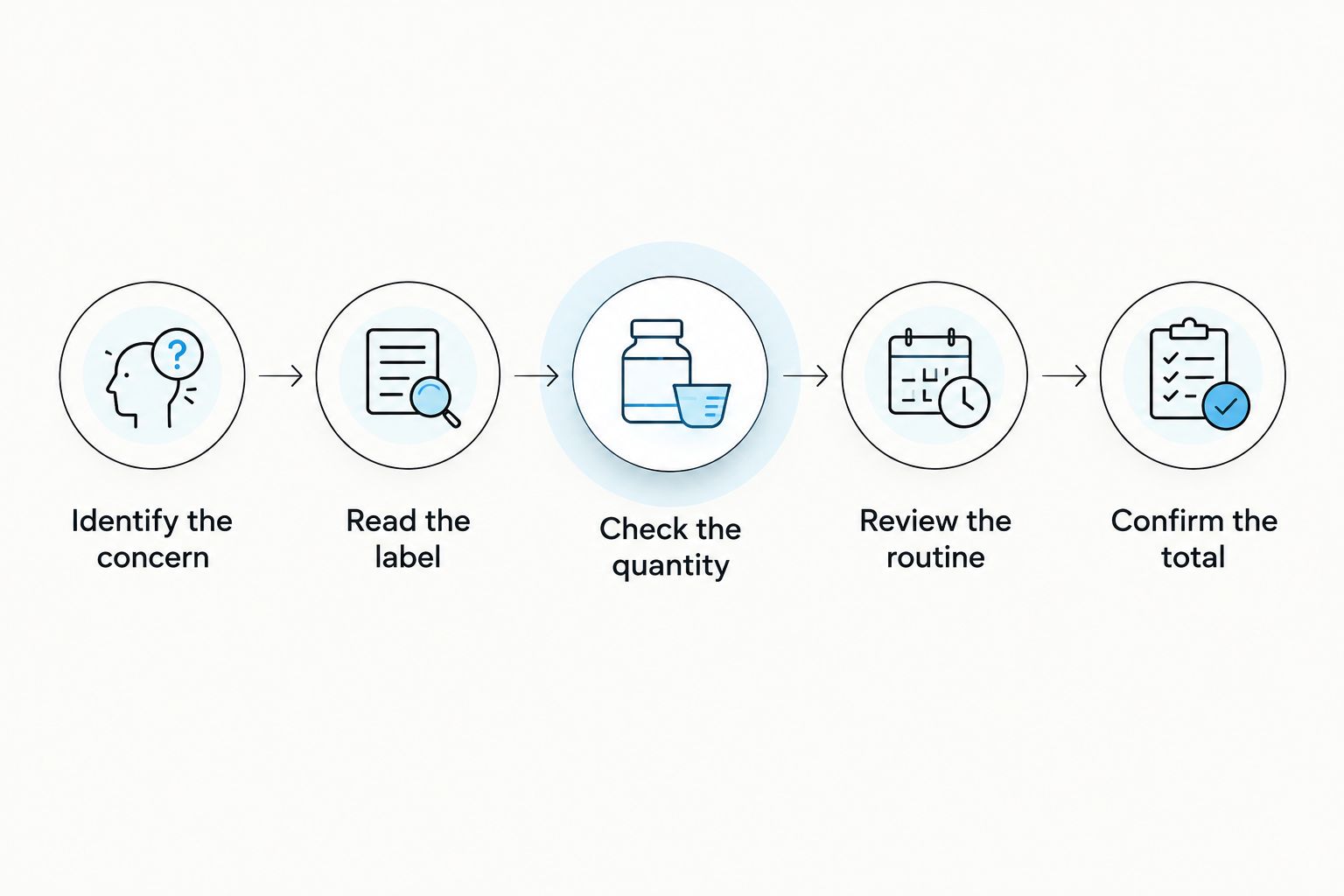
Use a short decision sequence before you purchase. This keeps your 2026 comparison focused on fit, directions, and the complete routine rather than claims on the front label.
- Identify the concern. Describe whether you have flat marks after acne, patches that recur, or another change. Seek assessment when you are unsure what the discoloration is.
- Read the label. Check ingredients, directions, warnings, and the intended application area. Do not infer ingredient concentration from a product name.
- Check the quantity. Record the stated net contents. Do not estimate container size from a photograph.
- Review the routine. Check how the cream fits with products you already use. Avoid adding several unfamiliar active products together.
- Confirm the total. Check the current purchase details and any professional-care requirements. Keep optional additions separate from necessary care.
A comparison is ready only when you can explain what each option is for and what you still need to verify. If the label is unclear, ask the seller or your clinician before applying the product.
Keep a simple written record of the formula, directions, and purchase details. That gives you a useful reference when deciding whether to reorder or discuss a different approach with a dermatologist.
What belongs in the budget besides the cream?
Sun protection belongs alongside a dark-spot routine, not after it. The American Academy of Dermatology recommends broad-spectrum, water-resistant sunscreen with SPF 30 or higher, applied before outdoor exposure and reapplied as directed.
For outdoor use, its general guidance includes application 15 minutes before going outside and reapplication every 2 hours, with additional reapplication after swimming or sweating. Follow the sunscreen label; protective clothing and shade also matter.
For a 2026 routine, these are care instructions—not a promise that sunscreen alone removes existing pigmentation. They help you avoid treating dark spots while leaving ongoing sun exposure unaddressed.
A suitable moisturizer supports comfort when your routine feels drying. Start by checking what you already own rather than automatically buying another brightening product.
Professional assessment belongs in the plan when pigmentation is persistent, unexplained, or accompanied by another skin problem. A changing, bleeding, or otherwise concerning spot needs evaluation rather than stronger cosmetic treatment.
Is dermatologist-grade cream better than a regular dark-spot cream?
Dermatologist-grade wording does not establish that a cream is better than another dark-spot product. The useful evidence is the actual formula, its intended purpose, relevant testing, and whether it suits your skin concern.
A clinician's specific recommendation is different from a broad marketing claim. Ask what ingredient or treatment feature makes the recommendation appropriate for you.
Do not treat expensive packaging, a strength-style name, or a celebrity association as proof of effectiveness. A relevant formula with clear directions is a stronger purchasing basis than an impressive label.
Can you calculate a monthly cream budget from the container alone?
A monthly cream budget requires actual usage information, not just the container total. Divide the amount you paid by the months that container lasts under its labeled directions, then account separately for other necessary purchases.
Do not invent a lifespan when the amount per application is unclear. Track your first container and use that experience for a later estimate without changing your application amount to stretch it.
For clinician-directed treatment, ask when the plan should be reviewed. Reordering indefinitely is not a substitute for the prescribed follow-up.
Should you buy a complete brightening package?
A complete package is appropriate only when its individual products fit your routine and their combined use is suitable. Buying several products together does not establish that you need every item or that they work better together.
With Toniqueskincare brightening creams, compare the cream's own stated purpose before considering additional products. Keep your initial decision narrow enough to understand what you are applying and how your skin responds.
If you already have a suitable cleanser, moisturizer, and sunscreen, review those first. A focused routine is easier to assess than several simultaneous changes.
FAQ
What's the average dermatologist grade hyperpigmentation cream cost?
Dermatologist-grade does not define a standardized price category or a meaningful average on its own. Compare the current quote for the exact formula and quantity, with consultations and supporting skincare listed separately.
Does dermatologist-grade mean a cream is FDA-approved?
No, dermatologist-grade wording does not establish FDA approval. In the United States, cosmetics and prescription drugs have different regulatory requirements; check the actual product category.
Is a prescription dark-spot treatment better for everyone?
No, prescription treatment is not automatically the right choice for everyone. A dermatologist should select treatment according to the diagnosis, skin history, and relevant precautions.
How do I work out what my cream costs each month?
Divide the amount paid by the months the container actually lasts under its labeled directions. Add necessary supporting purchases separately, and do not assume a container lifespan from its appearance.
What sunscreen should I use with a hyperpigmentation routine?
Choose broad-spectrum, water-resistant sunscreen with SPF 30 or higher, consistent with American Academy of Dermatology guidance. Follow its application directions and use shade and protective clothing too.
Can I use more cream to fade dark spots faster?
Do not exceed the labeled or prescribed directions to chase faster fading. Persistent irritation can contribute to post-inflammatory hyperpigmentation rather than improve the result.
Are Toniqueskincare brightening creams prescription products?
The supplied descriptions identify Toniqueskincare brightening creams as cosmetic shopping options, not established prescription treatments. Do not infer prescription status or dermatologist approval from the product name.
One last thing
Before your next purchase, write down what would make the cream a good fit: the concern, intended application area, clear directions, and compatibility with your existing routine. If you cannot answer those points, the dermatologist-grade label has not helped you choose.
Treat the label as a prompt to ask questions, not as a reason to pay more. The useful purchase is the one you can evaluate, use appropriately, and reassess—not the one with the most clinical-sounding name.